
Drought preparedness & resilient livelihoods · Completed
ERYWAS
Empowering Resilience through Youth and Women Led Action for Sustainable Drought Preparedness
- Status
- Completed
- Project period
- July 2025 – May 2026
- Location
- Turkana South, Turkana County
ERYWAS
Empowering Resilience through Youth and Women Led Action for Sustainable Drought Preparedness
ERYWAS strengthened drought early warning, diversified livelihoods and supported women and young people to lead climate adaptation in four wards of Turkana South.
Our objective
Help vulnerable communities anticipate, prepare for and respond to drought through stronger early warning systems, sustainable natural resource management and more diverse livelihoods.
Purpose and approach
Our response
The challenge
Turkana South faces recurrent drought, unreliable rainfall and severe pressure on water and pasture. Families travel long distances for water, pastoralist households lose livestock and food insecurity places women and young people under particular strain. Communities need ways to prepare early and protect their livelihoods.
Working with communities
ADS North Rift implemented ERYWAS over eleven months in Lokichar, Kalapata, Katilu and Kaputir wards, working through ADS Kenya with support from Kerk in Actie.
The project used Community Managed Disaster Risk Reduction, building on existing committees, vocational centres and local leadership. The project summary reports an overall reach of 13,346 people, including 5,018 women and 3,622 young people.
Implemented by ADS North Rift through ADS Kenya, with support from Kerk in Actie.
People reached and progress
Project results
- People reached across the project
- 13,346
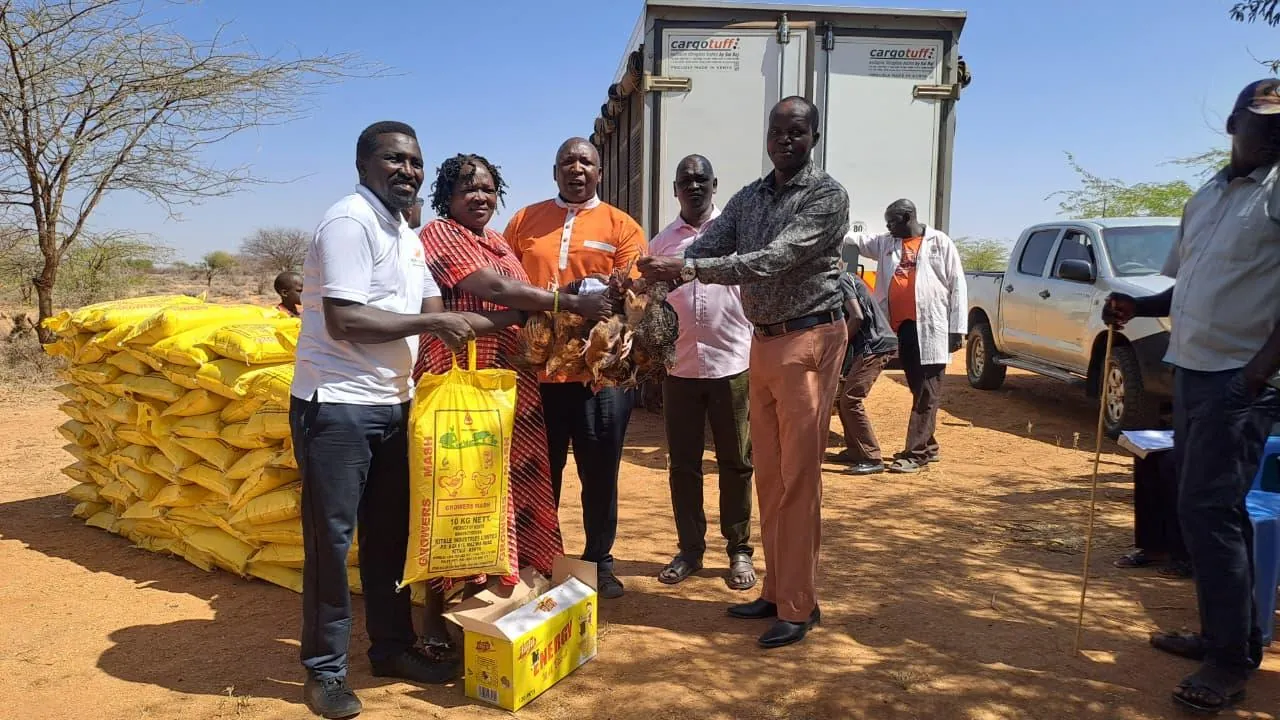
- Households supported with poultry
- 660
- Young people supported with beehives
- 150
Early warning systems
Early-warning outreach: 16,046 people through 49 community meetings
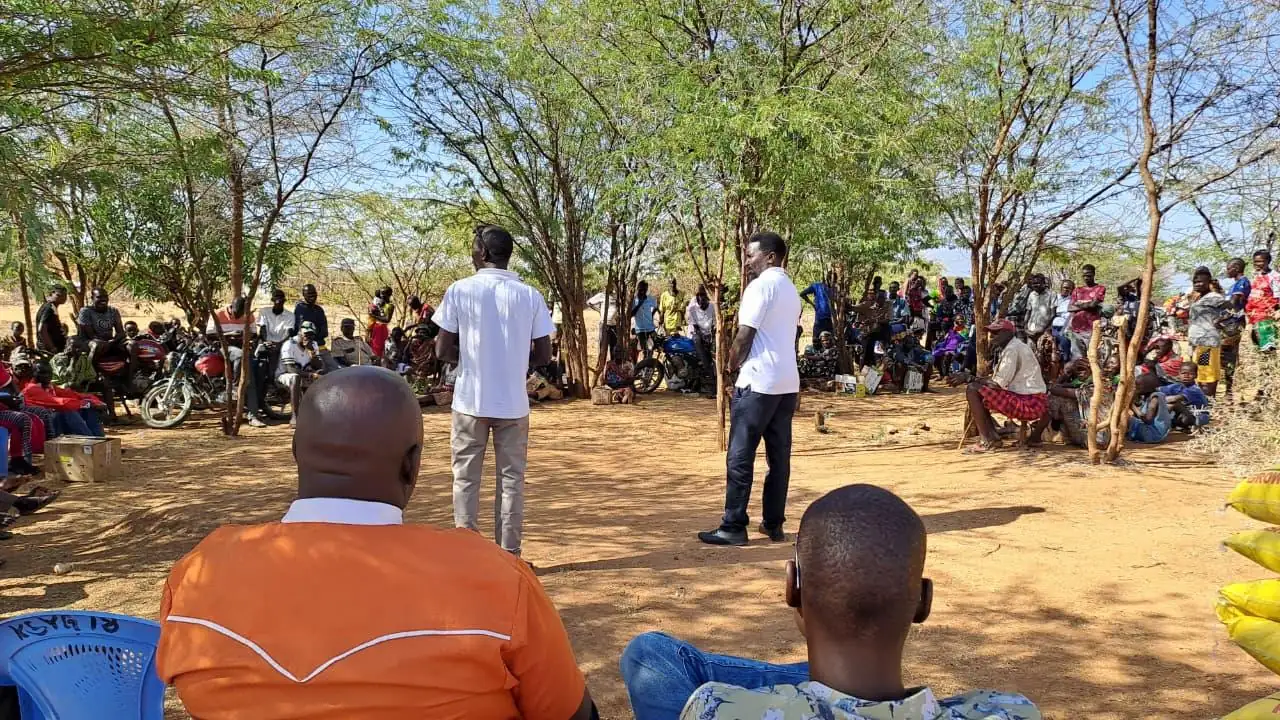
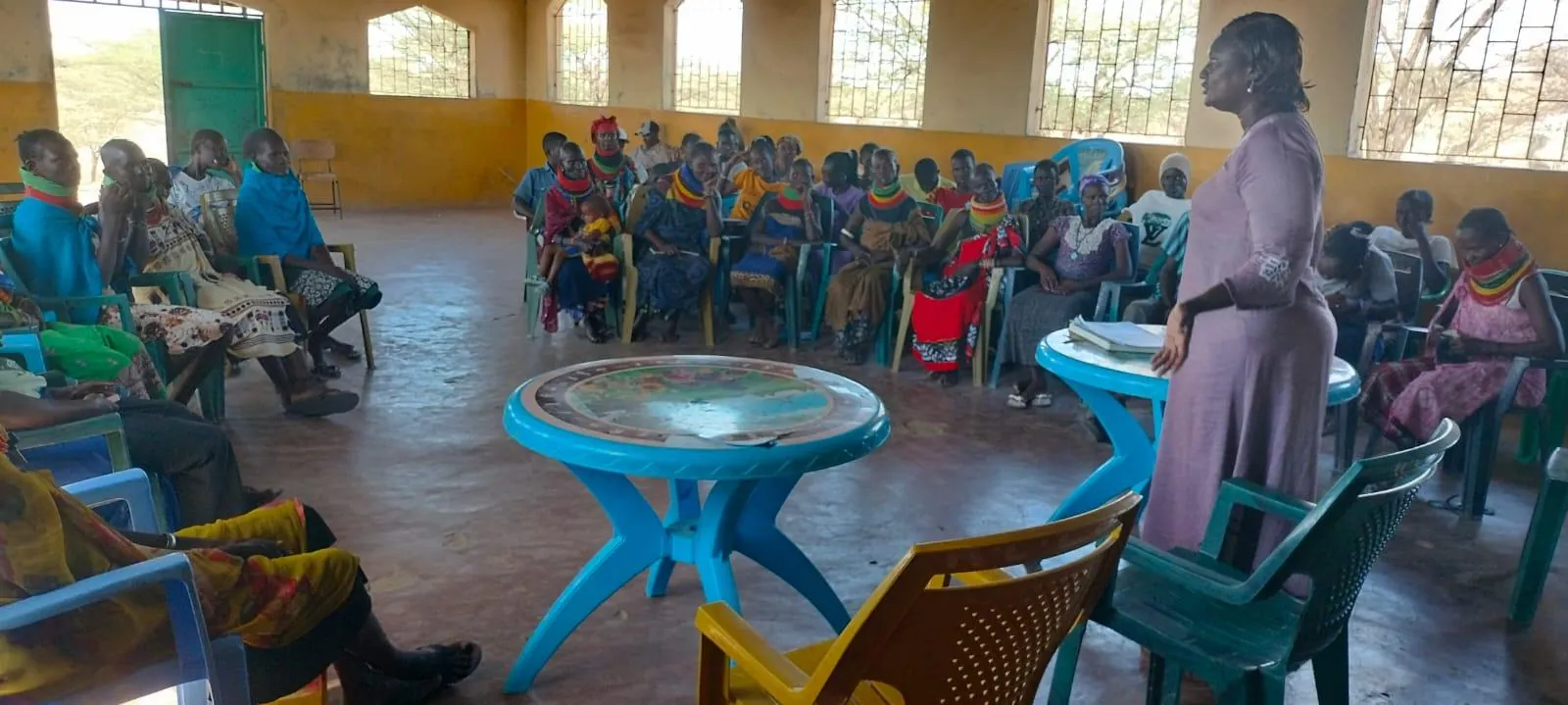
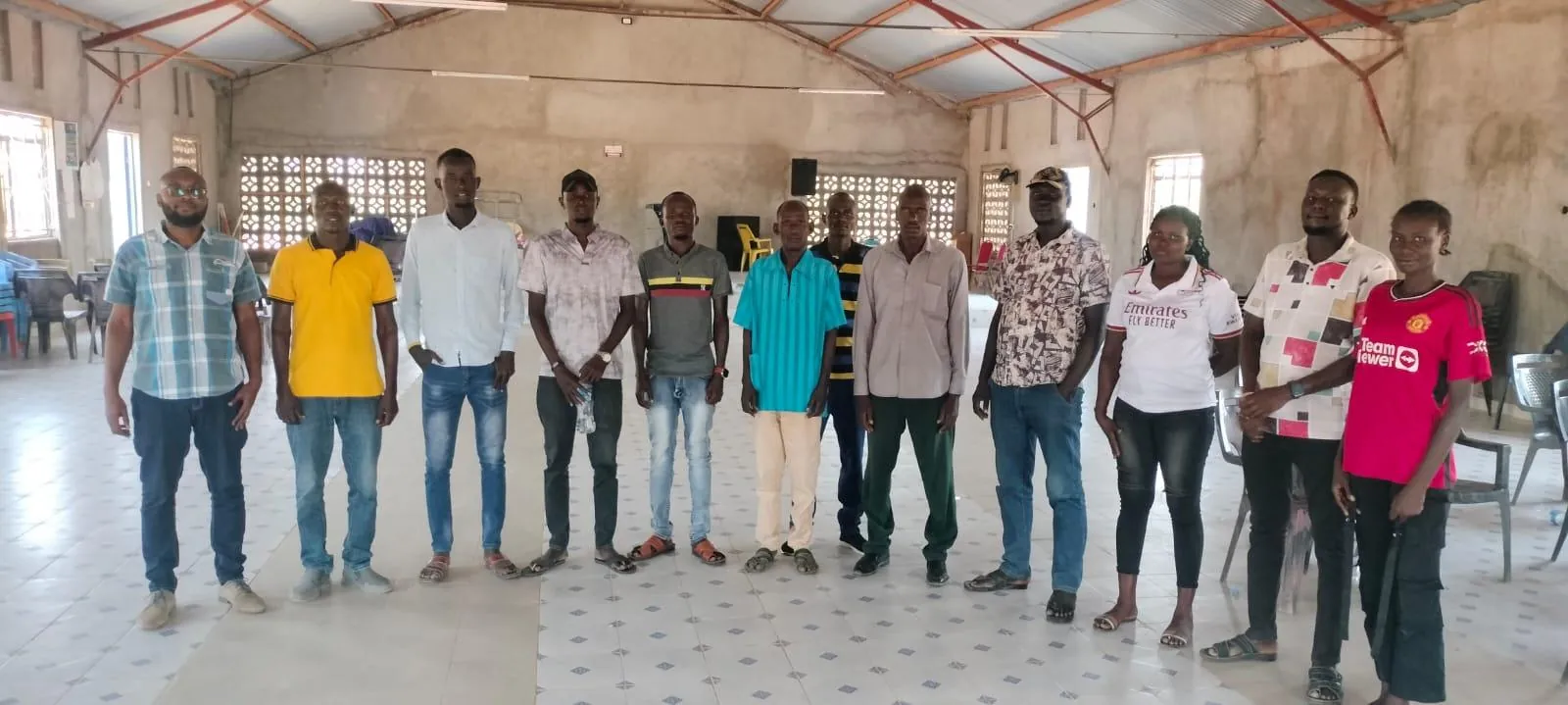
Ten youth and women trained as field monitors delivered weekly drought and climate alerts through Ejok FM radio, public barazas and community units. They also gathered household information on food and water access to support early action.
Diversified livelihoods
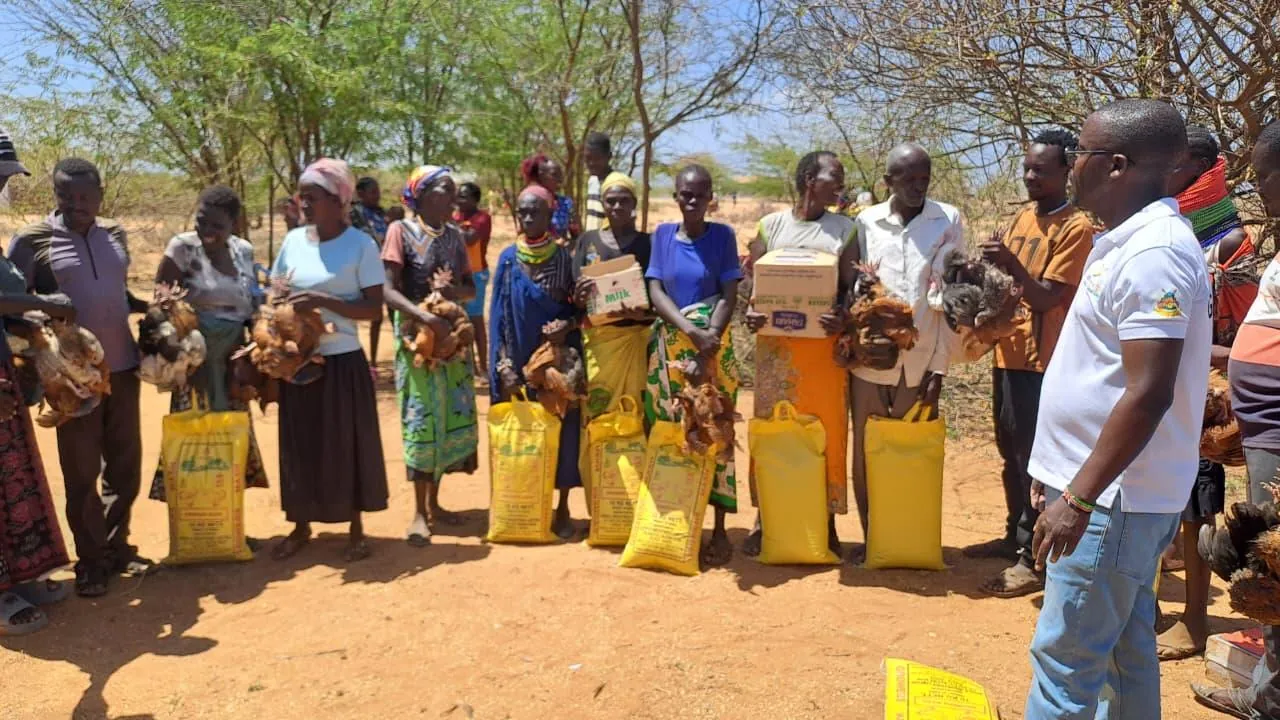
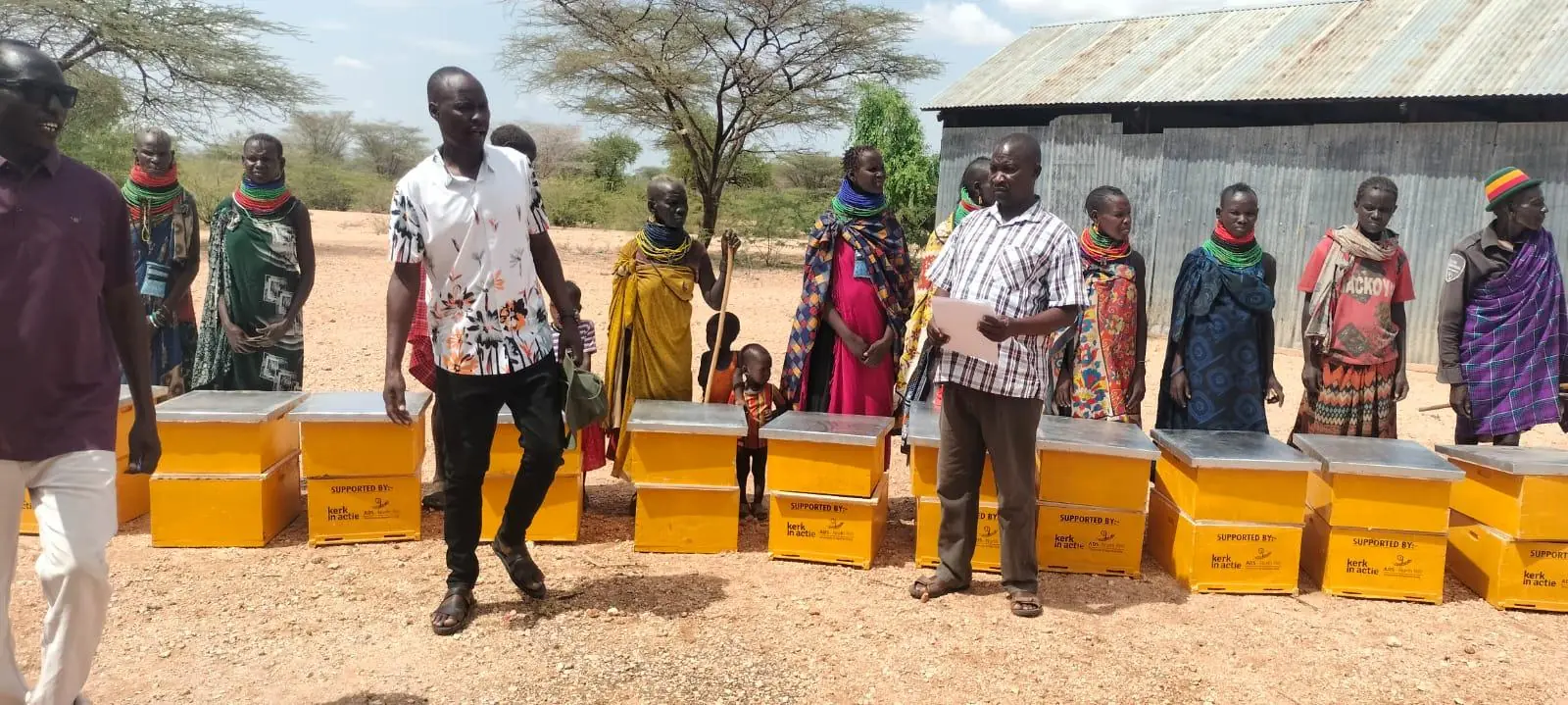
660 poultry households; 150 youth with beehives; 1,000 people trained in climate-responsive agriculture
Savings on chick prices expanded poultry support from a target of 450 to 660 households. The project reported 450 new egg and poultry enterprises, with women-led households relying less on purchased protein. Beehives were colonising ahead of a first honey harvest at the time of reporting.
Youth and women’s leadership
3,622 youth and 5,018 women across four wards
Climate champions trained in advocacy, communities received sanitation and hygiene information, and women, youth and persons with disabilities gained representation in the County Steering Group.
Local governance
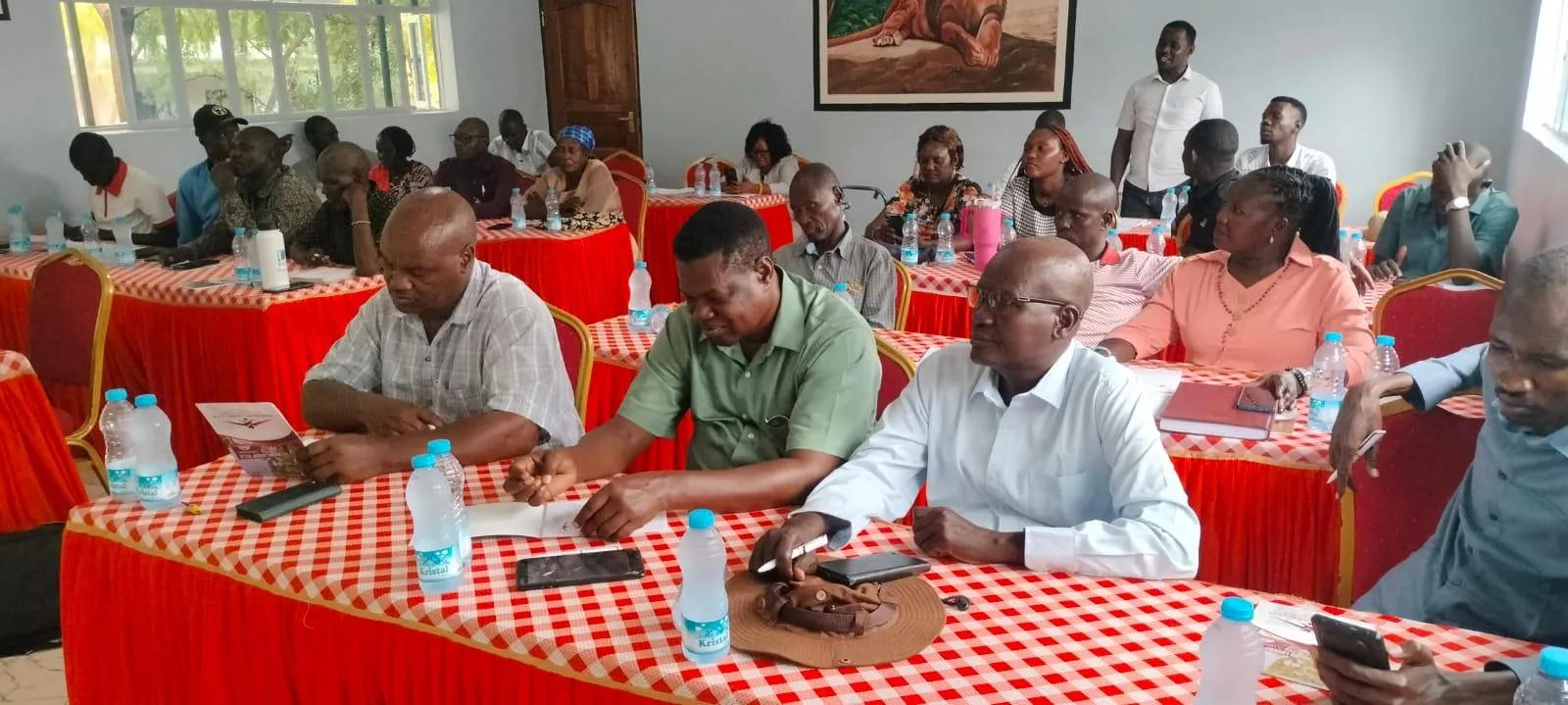
90 members of three climate change committees and ten field monitors
Refresher training strengthened contingency planning and placed climate adaptation within ward-level structures, improving coordination between communities, county government and partners.
From the field
The work in pictures
Continue the work with us
Looking ahead
The project is complete, but drought pressures remain. Competition for water and pasture continues to drive conflict, and young people need further vocational opportunities and market connections. ADS North Rift continues to work with communities, county government, church structures and partners to sustain these gains.
Funding, technical expertise and partnerships can help communities sustain this progress.