Skip to content

Wholesome & Dignified Living — serving Kenya’s North Rift

ADS North Rift

What We Do

Connected challenges need connected responses.

Our programmes respond to the realities communities face—not as isolated sectors, but as linked conditions shaping household dignity and resilience.

We combine technical knowledge, local leadership and partnership across five focus areas. The mix changes by place and need, but the aim remains the same: communities better able to shape secure, healthy and peaceful futures.

Where our work is concentrated

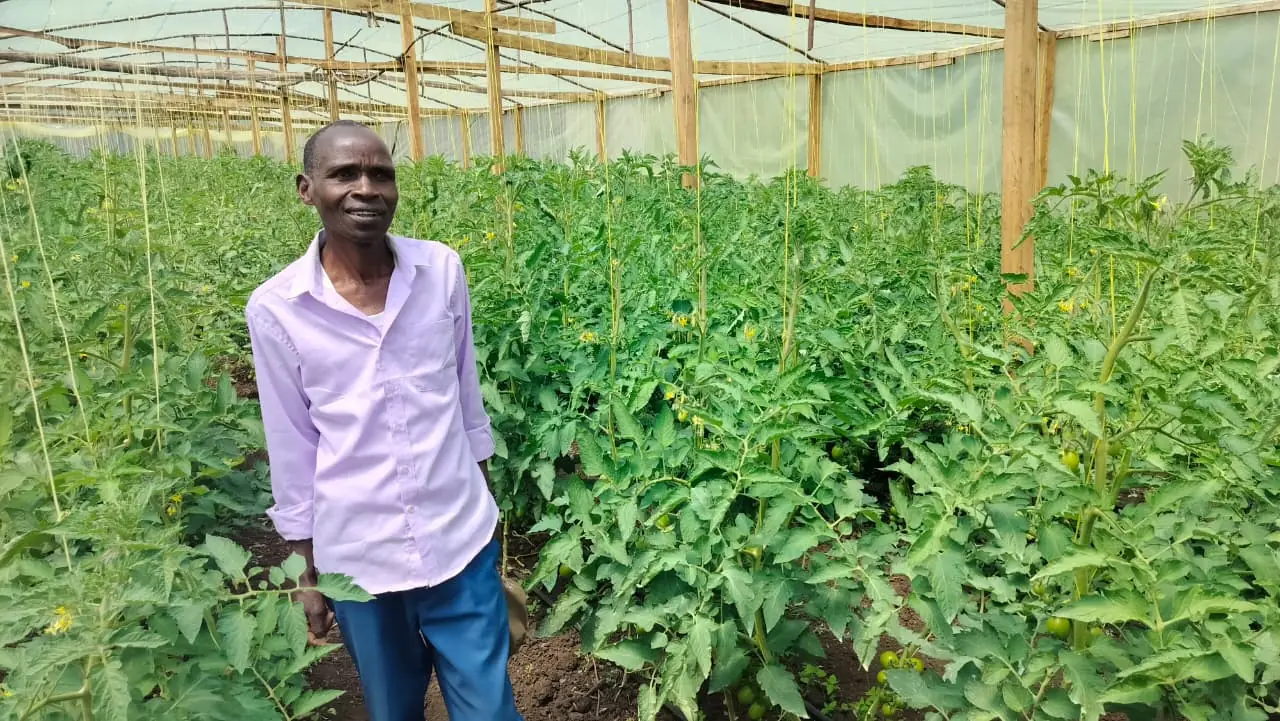
A lead farmer standing among tomato plants in his greenhouse
Secure livelihoods

01 Focus area

Food Security, Livelihoods & Economic Opportunity

We work with farmers, pastoralists, households and local enterprises to strengthen reliable food production and create more secure sources of income.

The work includes

  • Agroecology and livestock systems
  • Market access, value chains and enterprise skills
  • Savings, livelihood diversification and household resilience
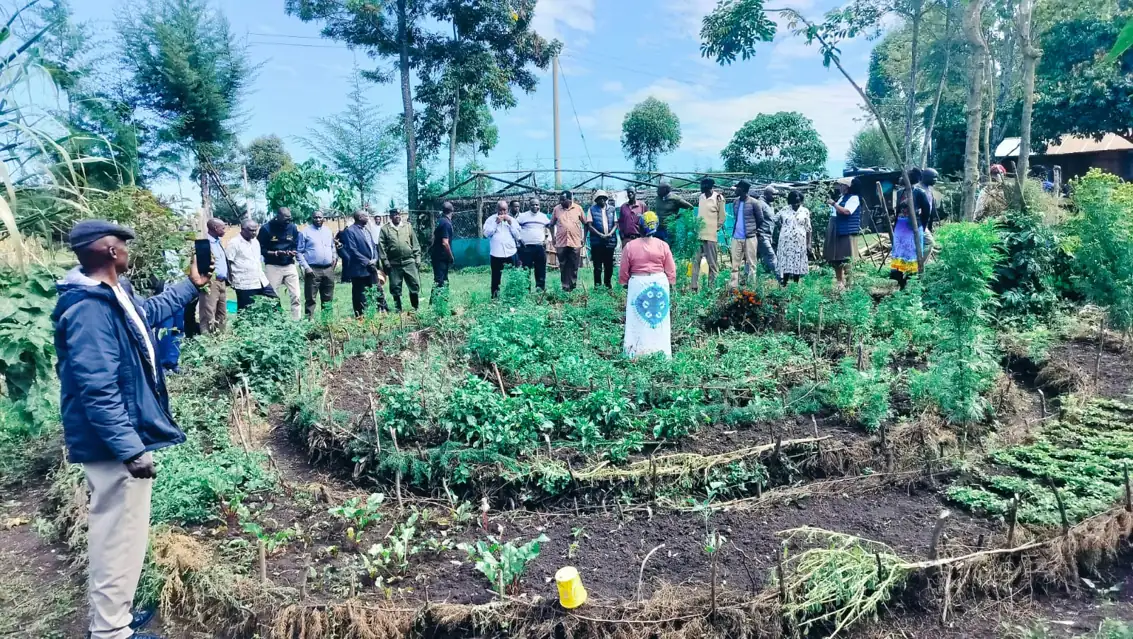
Community members learning beside an established mandala garden
Resilient environments

02 Focus area

Climate Resilience, Natural Resources & WASH

We help communities prepare for climate pressure while improving how water, land and other natural resources are protected and used.

The work includes

  • Safe water, sanitation and hygiene
  • Soil, water and ecosystem restoration
  • Climate adaptation and disaster preparedness
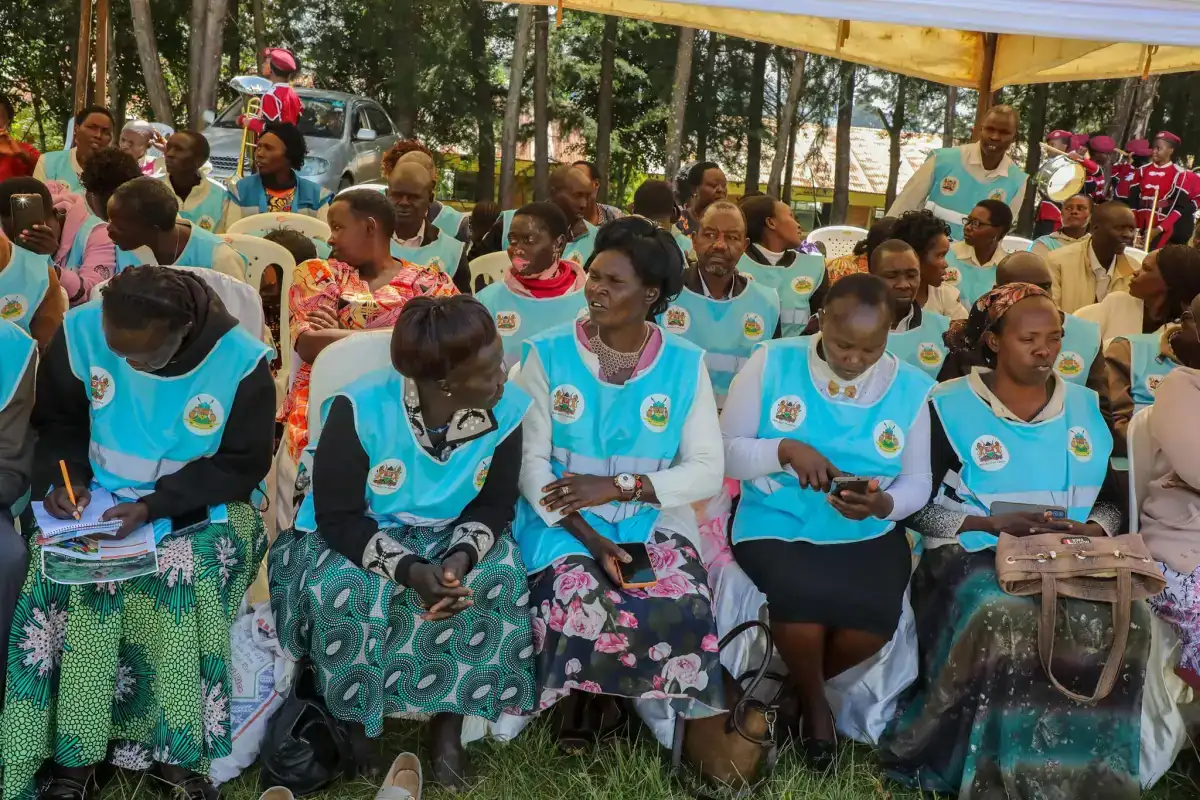
Community health volunteers gathered for a health and nutrition event
Healthy communities

03 Focus area

Health, Nutrition & Community Wellbeing

We strengthen community knowledge, care pathways and local systems so women, children and vulnerable households can access better health and nutrition.

The work includes

  • Maternal, newborn and child health
  • Nutrition education and community action
  • Prevention, referral and stronger local health services
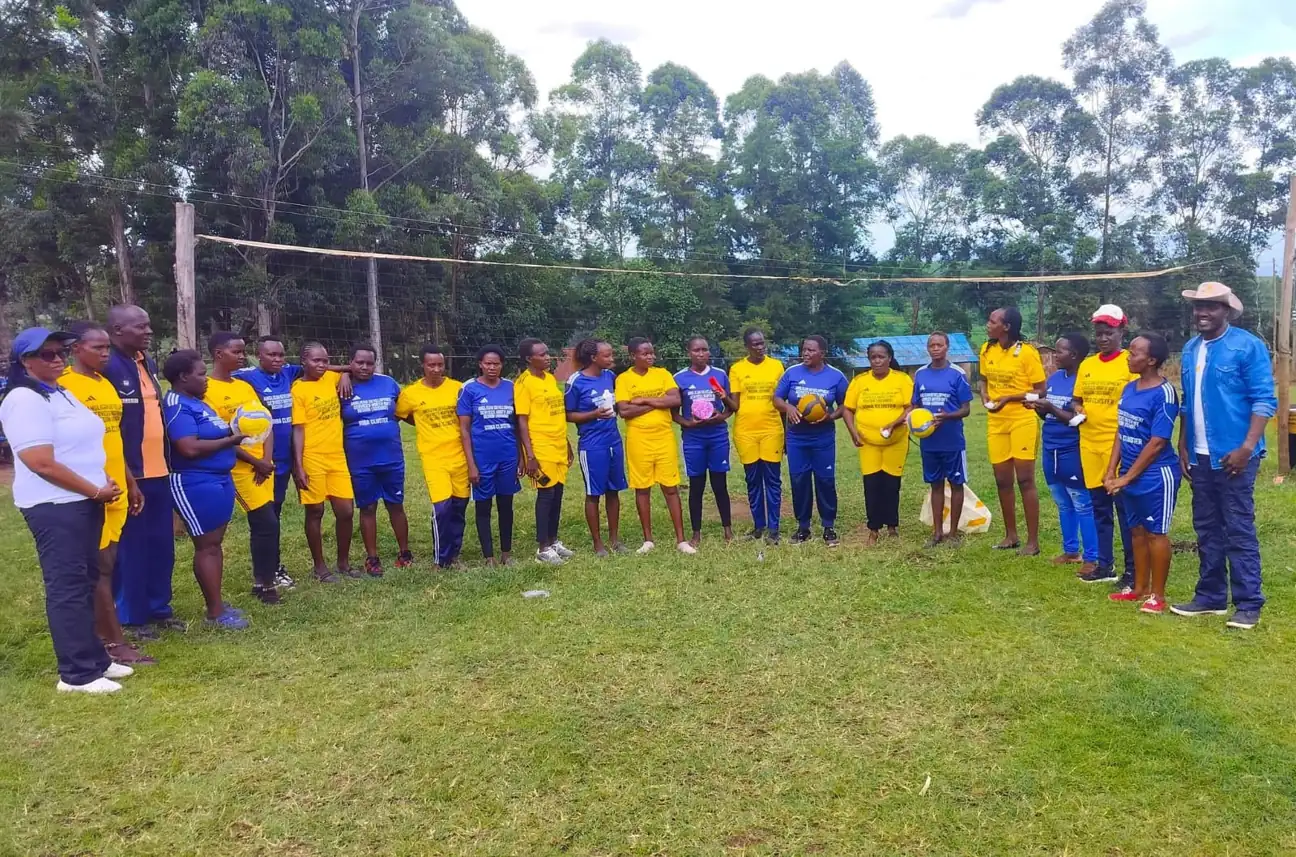
Girls gathered for a WKPI sport-for-peace activity at the Mumbwo–Muhoroni border
Dignity in crisis

04 Focus area

Peacebuilding, Protection & Humanitarian Response

We work across community and institutional lines to reduce conflict, protect dignity and respond when drought, displacement or other emergencies disrupt life.

The work includes

  • Dialogue, mediation and social cohesion
  • Preparedness, early action and emergency relief
  • Protection, inclusion and accountable feedback
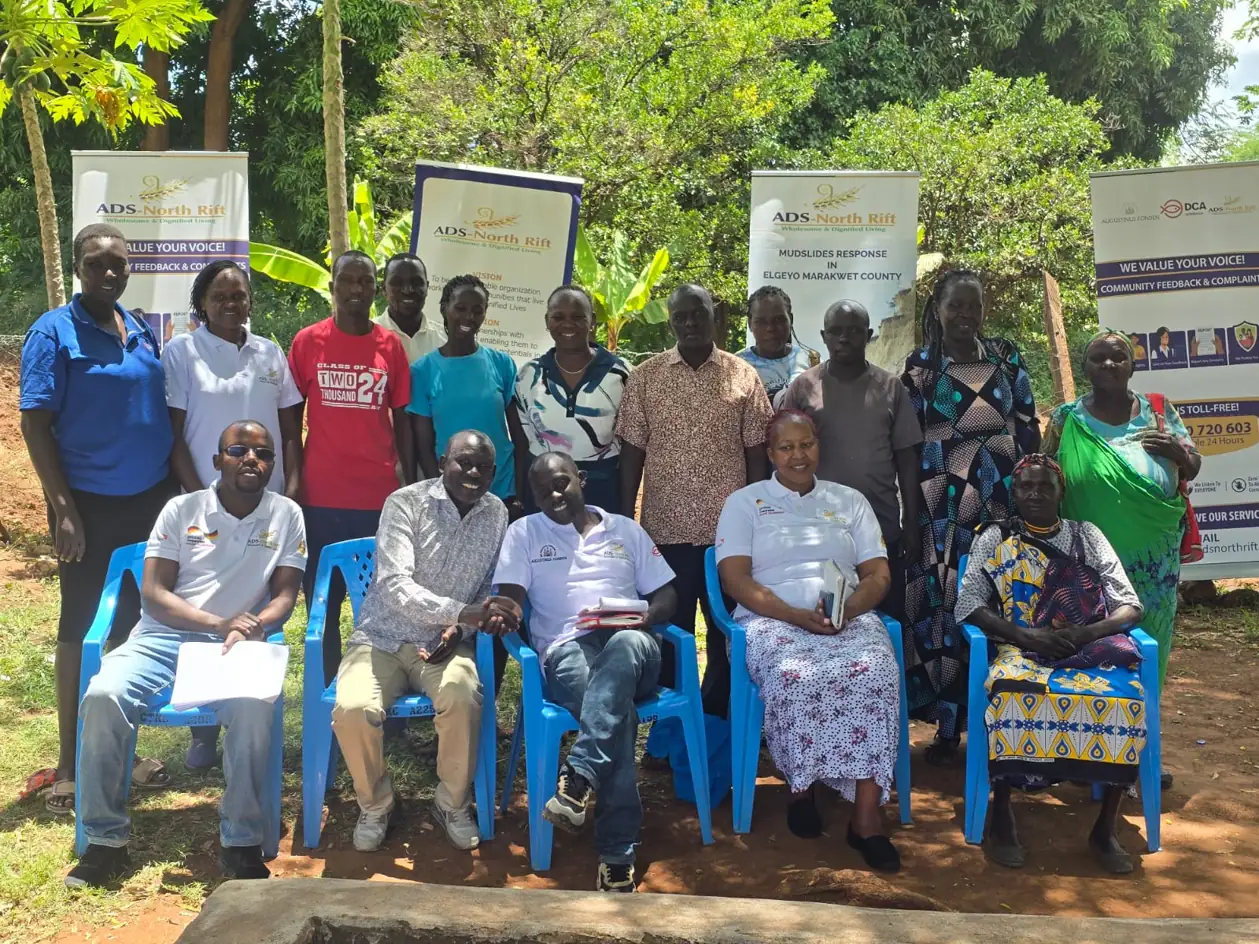
Members of Ketut Embolot Community Based Organisation gathered outdoors
Stronger local systems

05 Focus area

Institutional Development, Advocacy & Partnerships

We strengthen the organisations and relationships that allow community priorities to influence decisions and sustain results beyond a single project.

The work includes

  • Governance, leadership and management systems
  • Community voice, advocacy and public participation
  • Partnership and responsible resource mobilisation

People-Owned Processes (PoP)

Communities are the primary actors in their own development. They identify priorities, analyse their situation, make decisions, mobilise resources and lead action. ADS-NRR facilitates and accompanies this process, bringing technical knowledge and partnerships while communities retain ownership.

  1. 01Community identification

    Communities express interest through their own structures. Together we establish a legitimate request and assess it against our mandate and capacity.

  2. 02Beginning of interaction

    Communities share their agenda first. We build relationships, exchange expectations and agree how to cooperate with clear roles and mutual accountability.

  3. 03Learning and analysing

    Communities and Common Interest Groups (CIGs) use participatory tools to explore local knowledge, resources, challenges and options before deciding what to do.

  4. 04Action and reflection

    Groups agree priorities, identify resources and plan responsibilities. They take action, monitor progress and adapt through regular reflection.

The House of PoP

The four phases are supported by participatory, learning, action and reflection tool sets (PLAR). Mapping, seasonal calendars, ranking and action planning help groups understand their situation and choose responses. Reflection continues throughout the process.

A foundation of listening and inclusion

The foundation is the attitude and behaviour change (ABC) of the development worker: listening respectfully, sharing power and facilitating without taking over. Women, men, young people, people with disabilities and less-heard groups must have meaningful opportunities to influence decisions.

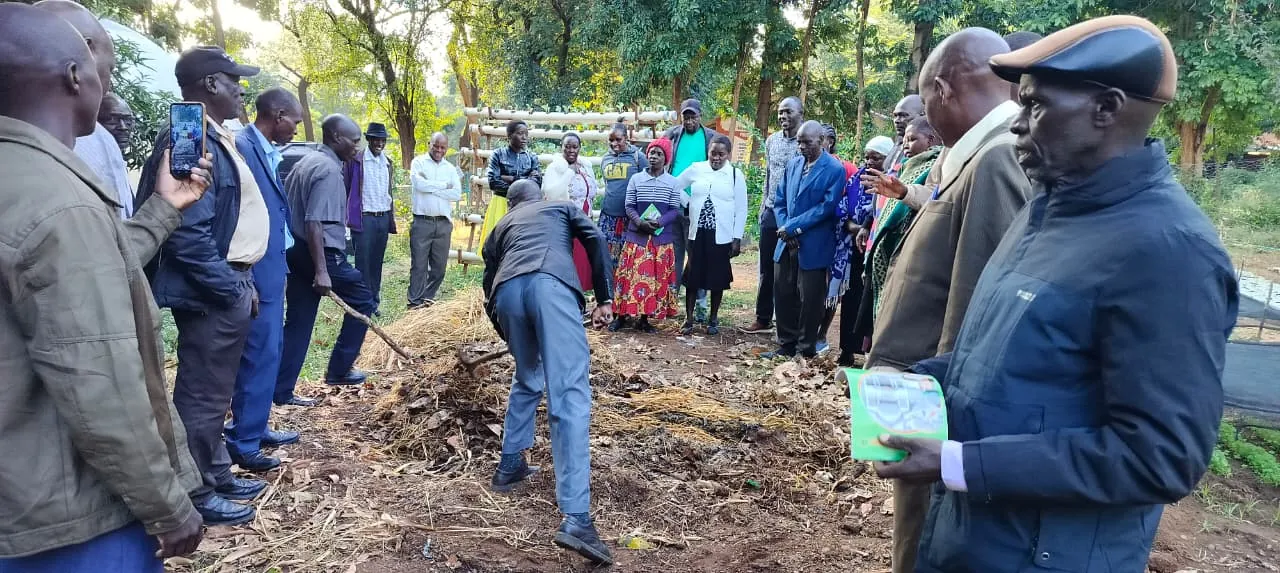
Community members watching a practical compost-making demonstration
Practical learning: making compost manure.
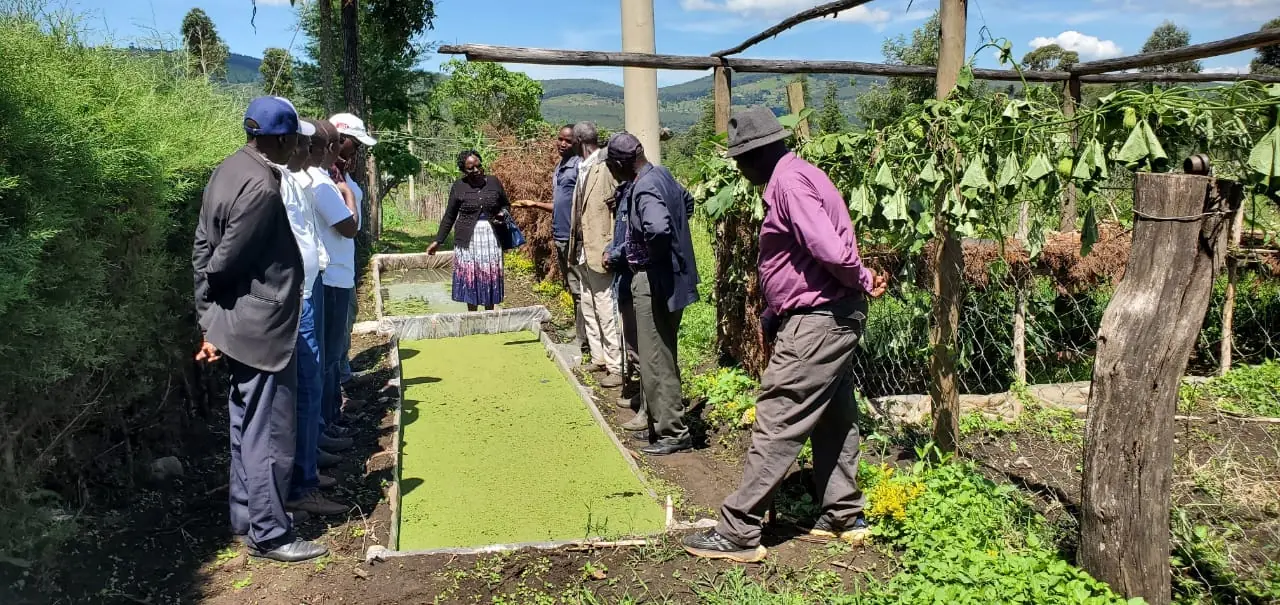
Community members examining an established azolla growing area
Exploring azolla as a source of animal feed.

See the work in context

Explore the projects and places behind our programmes.